Foam Grades & Specs
Three grades, and an honest account of what each one is and is not good at.
Request Technical Data SheetsHow Spray Foam Works
Spray polyurethane foam is a two-component system. The A side is an isocyanate; the B side is a blended resin containing polyols, catalysts, surfactants, flame retardants, and a blowing agent. Both sides are heated and pumped at pressure to a spray gun where they mix by impingement.
The reaction begins immediately. The blowing agent expands the mixture as it cures, and the foam rises and sets against whatever it was sprayed onto, adhering as it goes. Within seconds it is a rigid or semi-rigid cellular solid bonded to the substrate.
The difference between closed-cell and open-cell is the cell structure the formulation produces. In closed-cell foam the cells are discrete and sealed, trapping the blowing agent — that is what gives it density, rigidity, resistance to bulk water, and its R-value per inch. In open-cell foam the cells are interconnected and filled with air, which is what makes it light, soft, vapor permeable, and effective at absorbing sound.
Temperature and mixing discipline matter enormously. Off-ratio or cold-sprayed foam does not perform to its data sheet and can fail outright. This is a product category where the equipment and the operator matter as much as the chemistry.
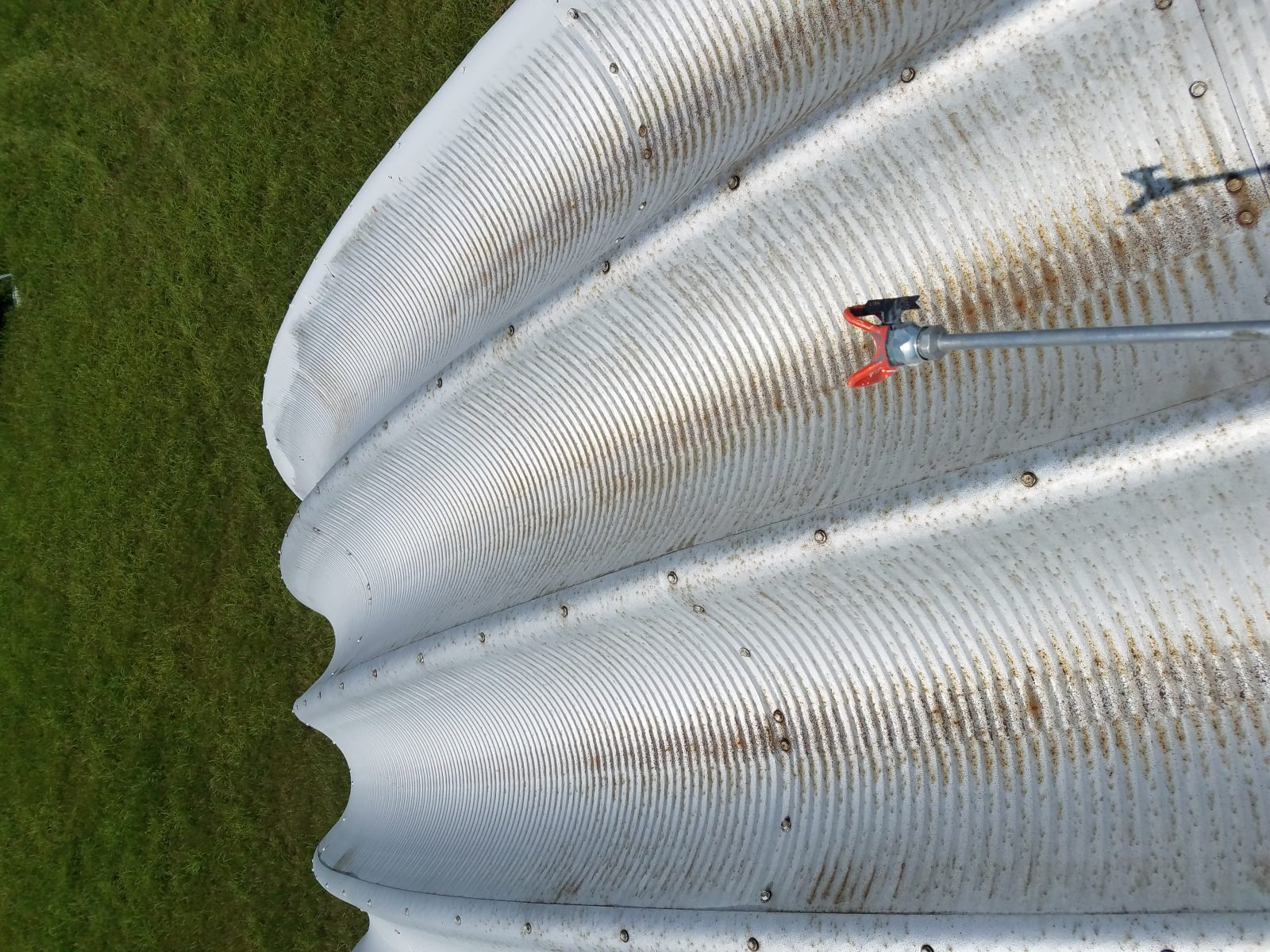
Closed-Cell — Nominal 2 lb/ft³
The workhorse grade and the right default for almost all agricultural, industrial, and moisture-exposed work.
What it delivers: the highest R-value per inch in the line, a continuous air barrier, vapor-retarder performance once you reach code thickness, meaningful racking strength added to the assembly, and resistance to bulk water — closed-cell foam does not wick and does not lose R-value when it gets wet.
Where it is specified: metal buildings, pole barns, agricultural storage, cold storage, crawl spaces and rim joists, unvented rooflines, tank and vessel insulation, and anywhere condensation control is the actual problem.
Watch for: it is a vapor retarder, so in some climate zones and assemblies you need to think about which side of the wall it belongs on. It also has to be applied in controlled lift thickness — piling on too thick in one pass traps exotherm heat and produces a poor cell structure.
Spec: 2–3" typical in walls and rooflines; verify local code for vapor-retarder and thermal-barrier requirements; apply in controlled lifts per the data sheet.
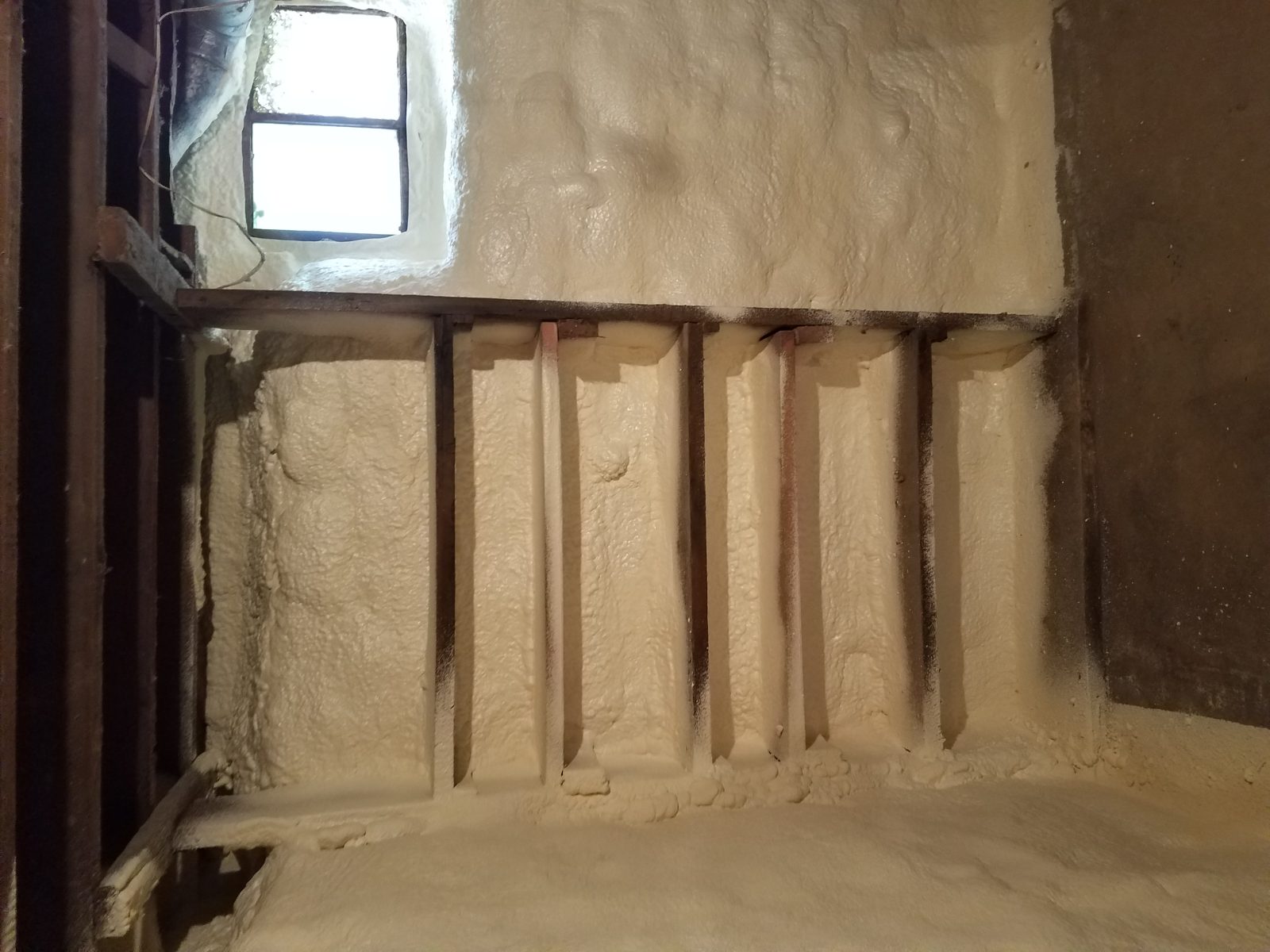
Open-Cell — Nominal 0.5 lb/ft³
The economical cavity-fill grade, and the better acoustic product.
What it delivers: complete cavity fill at low material cost per board foot, excellent sound attenuation between conditioned spaces, high expansion so it reaches into irregular framing, and vapor permeability that lets an assembly dry inward where the design calls for that.
Where it is specified: interior partition walls for sound, conditioned attics and rooflines in climates where inward drying is desirable, residential cavity fill where budget drives the decision, and anywhere the assembly design specifically wants a permeable insulation layer.
Watch for: it is vapor permeable and it is not a water barrier. Do not put it where bulk water or sustained moisture is a possibility. It also expands dramatically and must be trimmed flush, which is labor and waste that closed-cell does not generate.
Spec: full cavity fill, trimmed flush to framing; confirm vapor control strategy for the assembly and climate zone before specifying.
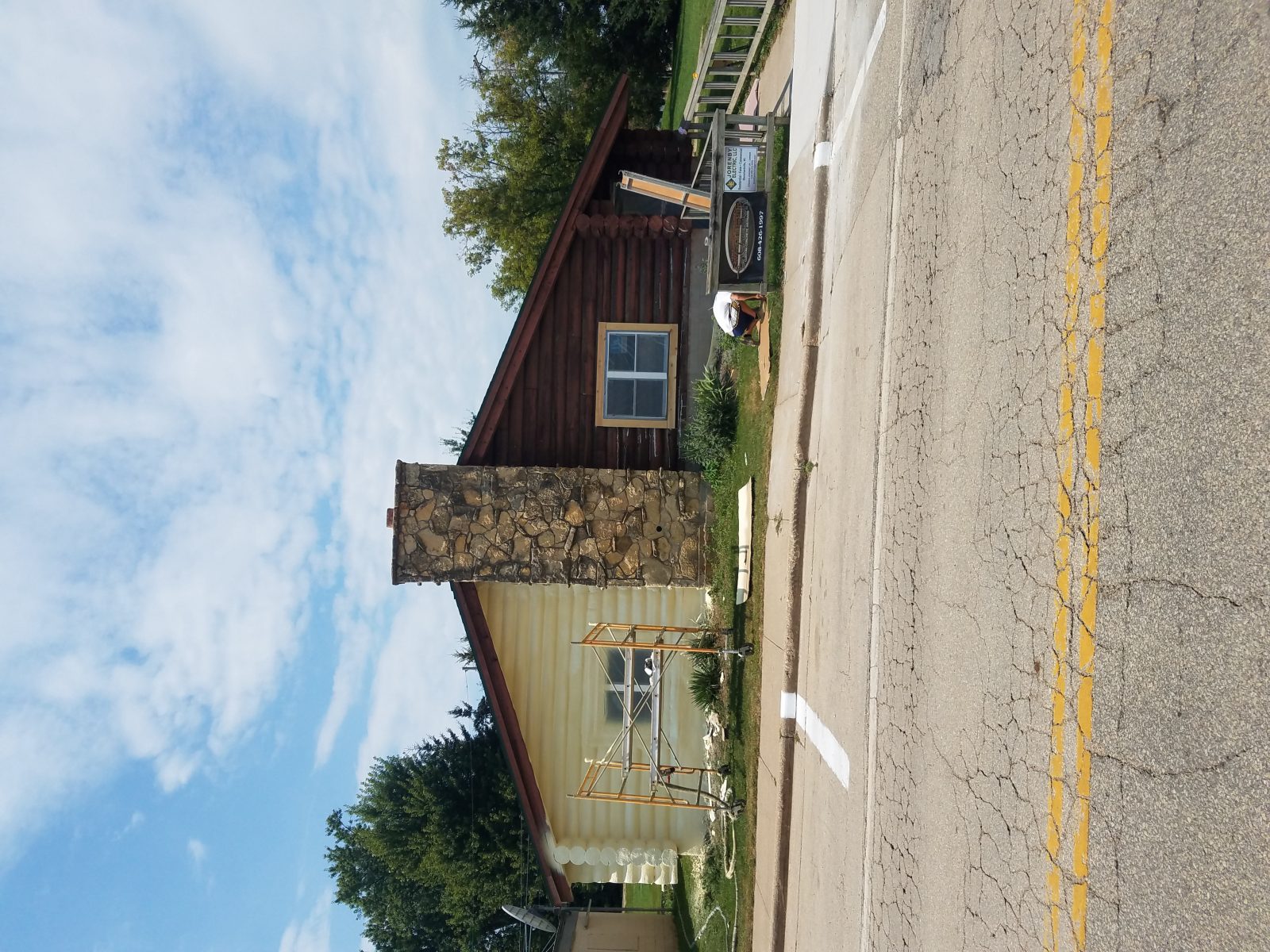
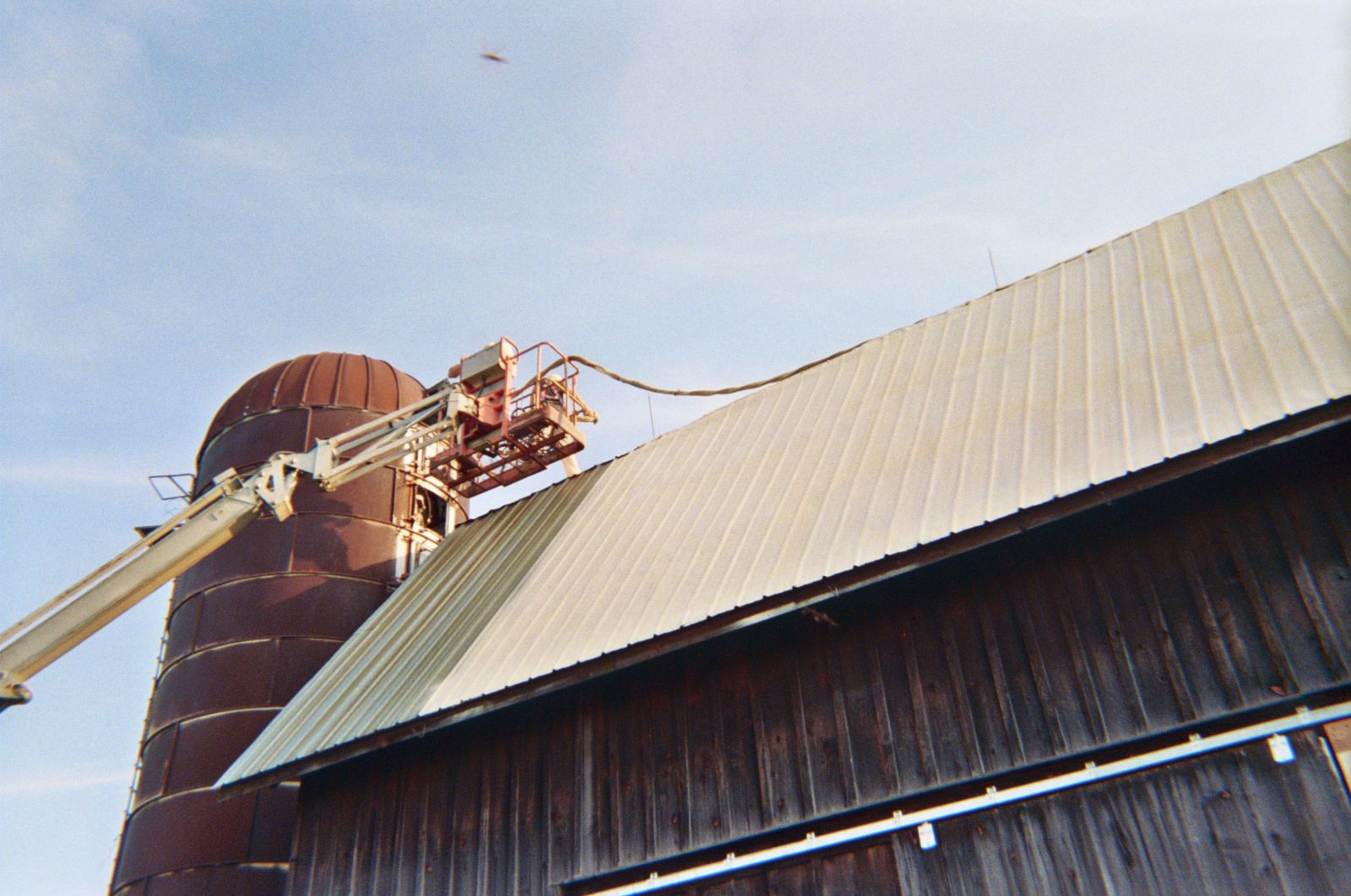
Roofing Grade — Foam as a Roof Substrate
Roofing foam is a distinct product, not insulation foam applied outdoors. It is formulated at a higher density so it can be walked on during application and inspection, and so it accepts a coating without crushing or telegraphing footprints.
What it delivers on a low-slope roof: continuous insulation with no thermal bridging at fasteners, a fully adhered monolithic substrate with no seams, and — critically — the ability to correct drainage. Foam can be sprayed thicker at low points and tapered to drains, which is something no board product does without a custom taper package and a lot of money.
The system it belongs to: foam alone is not a roof. It is UV-sensitive and must be coated. OR-80SLM Silver Lining Membrane — pure polyurea, Miami-Dade approved — goes over it as a seamless waterproofing layer, ideally the same day.
Spec: 1–1.5" nominal over a prepared, dry deck, tapered for positive drainage; membrane with OR-80SLM at 40–60 mil DFT; 7001 Primer on any adjacent metal, membrane, or masonry detail.
Grade Comparison
| Property | Value |
|---|---|
| Closed-cell density | Nominal 2 lb/ft³ |
| Open-cell density | Nominal 0.5 lb/ft³ |
| Highest R per inch | Closed-cell |
| Air barrier | Both, when continuous and at thickness |
| Vapor retarder | Closed-cell at code thickness; open-cell is permeable |
| Bulk water resistance | Closed-cell only |
| Adds structural rigidity | Closed-cell |
| Best sound attenuation | Open-cell |
| Lowest cost per board foot | Open-cell |
| Trimming required | Open-cell, typically yes |
| Roofing suitable | Roofing grade only, and only when coated |
| Membrane over roofing foam | OR-80SLM at 40–60 mil DFT |
| Equipment | Plural-component proportioner with heated hose |
| Thermal / ignition barrier | Required in most occupied spaces — verify locally |
Code, Barriers & Practical Cautions
Thermal and ignition barriers. Spray foam is a combustible plastic and virtually every jurisdiction requires it to be separated from occupied space by a thermal barrier — typically gypsum board — or, in limited-access spaces such as crawl spaces and attics, an approved ignition barrier coating. Requirements differ by jurisdiction and by access. Verify locally before you quote a job, not after.
Lift thickness. Closed-cell foam generates heat as it cures. Applying too thick in a single pass traps that exotherm, degrades the cell structure, and in extreme cases can scorch the foam. Follow the pass thickness on the data sheet.
Substrate temperature and moisture. Foam sprayed onto a cold or damp substrate will not adhere reliably. Check the deck, not the air.
Respiratory protection and re-occupancy. Isocyanate exposure is a real hazard. Supplied-air respirators for the applicator, full skin coverage, and a ventilated re-occupancy window are not optional. Read the safety data sheet and follow it.
UV. No foam grade is UV stable. Anything exposed to sun must be coated.
Need the Data Sheets?
We will send technical data sheets, safety data sheets, and application guidance for whichever grades your work calls for.
Request DocumentationRequest Foam Pricing & Data Sheets
Tell us about your project and we will follow up with product details, technical data sheets, and pricing.