Applications
The buildings foam actually gets specified into, and what to spray in each.
Metal Buildings & Pole Barns
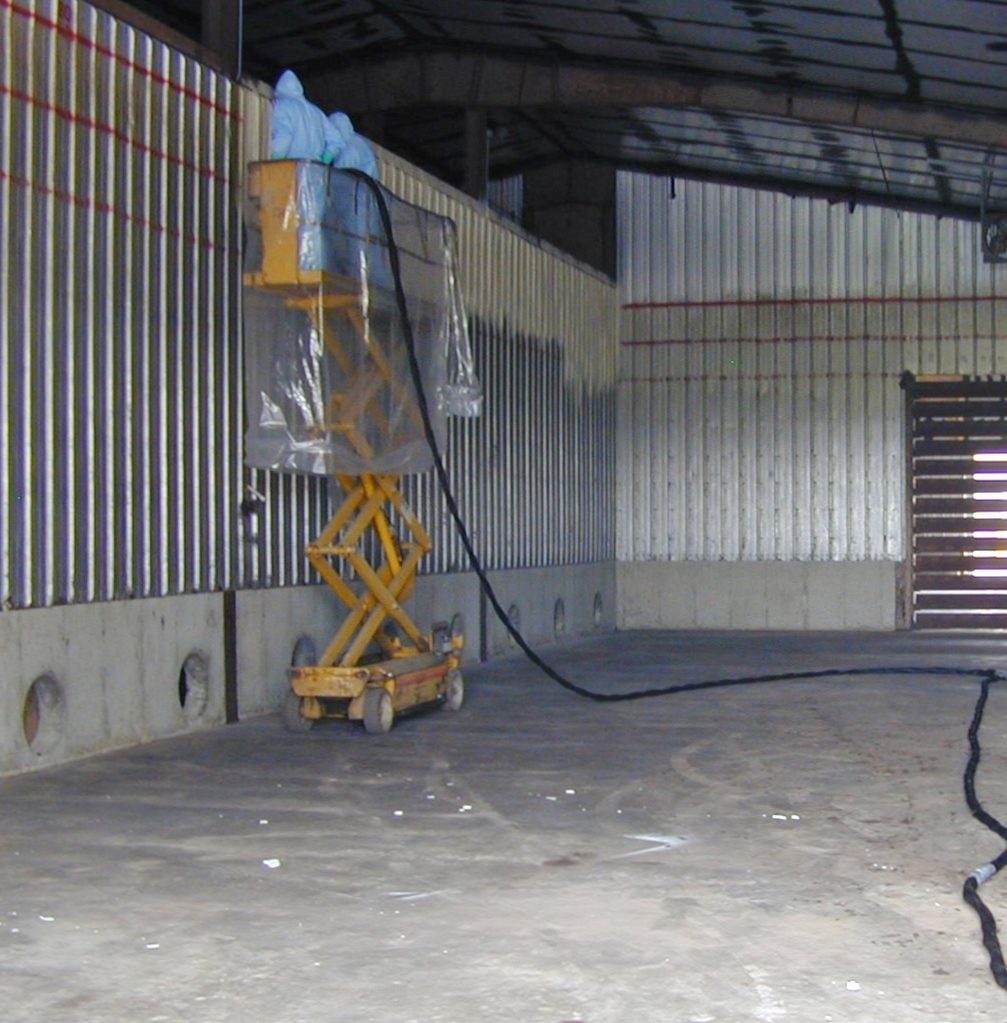
The single largest market for closed-cell foam, and the one where the value is most obvious to the owner. A metal building is a thin steel skin with no thermal mass and no air sealing, fastened through with hundreds of thermal bridges.
Traditional vinyl-faced batt hung against the purlins sags, tears, holds water where it contacts steel, and becomes a nesting material within a few years. Closed-cell foam adheres directly to the panel and the framing, seals every fastener penetration and panel lap from the inside, and adds racking rigidity to the frame while it is at it.
The condensation benefit sells the job more often than the energy benefit does. Once there is no exposed cold steel, the building stops dripping on its contents.
Spec: closed-cell at 2–3" on the underside of roof panels and walls, continuous over purlins and girts, carried into eave and ridge details; verify thermal or ignition barrier requirement for the occupancy.
Potato, Onion & Produce Storage
Storage buildings hold a crop worth more than the building for eight months at a time, at a temperature and humidity that has to stay within a narrow band or the crop is downgraded or lost.
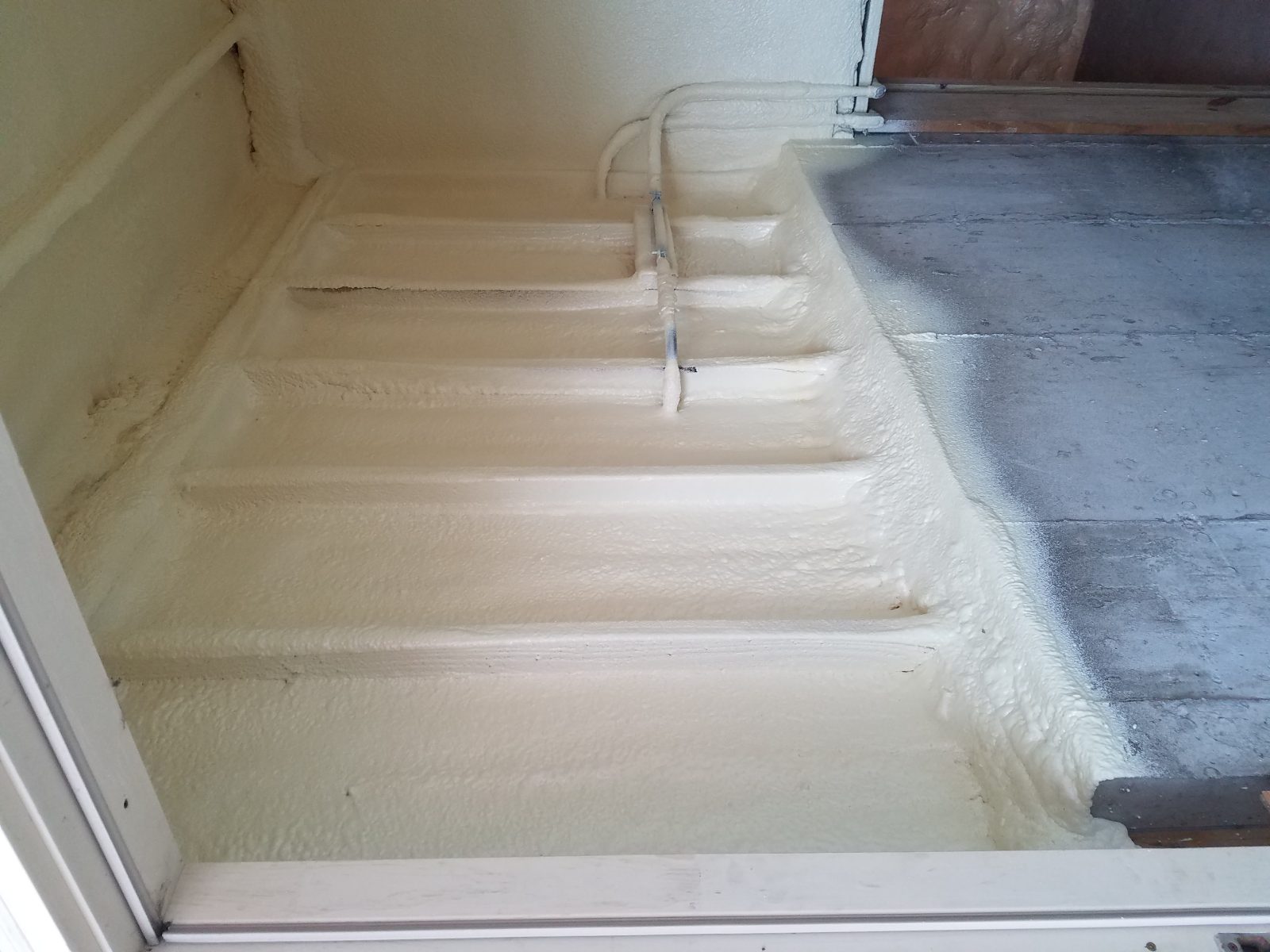
Two things fail these buildings: temperature swing at the shell, and condensation dripping onto stacked product. Closed-cell foam addresses both — continuous insulation with no thermal bridging through fasteners, and no cold surface for moisture to form on.
It also seals the shell against air infiltration, which matters more here than in most buildings because these structures run active ventilation and humidification, and uncontrolled leakage fights the control system all season.
Spec: closed-cell at 3"+ on the roof deck and walls depending on climate zone and target holding temperature; seal continuously at eaves, doors, and every penetration; ignition barrier per local code.
Poultry, Dairy & Livestock Buildings
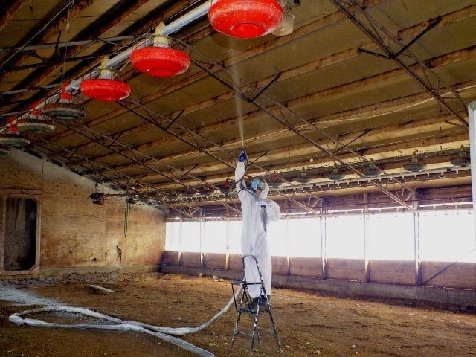
Livestock buildings are simultaneously humid, warm, and full of ammonia, and the roof deck is the coldest surface in the building. The result is continuous condensation, which corrodes fasteners, rots wood framing, and drips into the animal environment.
Closed-cell foam on the deck underside removes the condensing surface. It also holds the building temperature stable enough that ventilation and heating systems stop fighting each other, which is where the operating savings actually come from.
Surface durability matters here too — these buildings get washed down, and a foam surface exposed to pressure washing should be coated rather than left bare.
Spec: closed-cell at 2–3" on the deck underside and walls; coat exposed foam where wash-down or physical contact is expected; verify ignition barrier requirement for the building classification.
Low-Slope Commercial Roofing
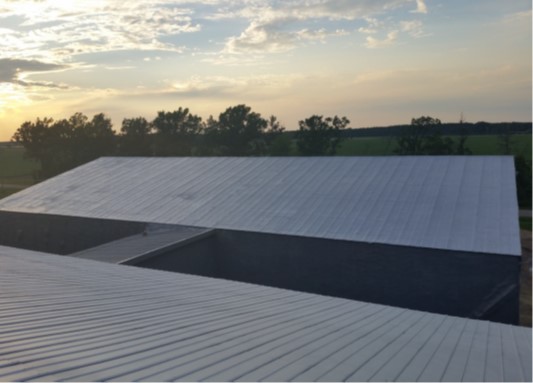
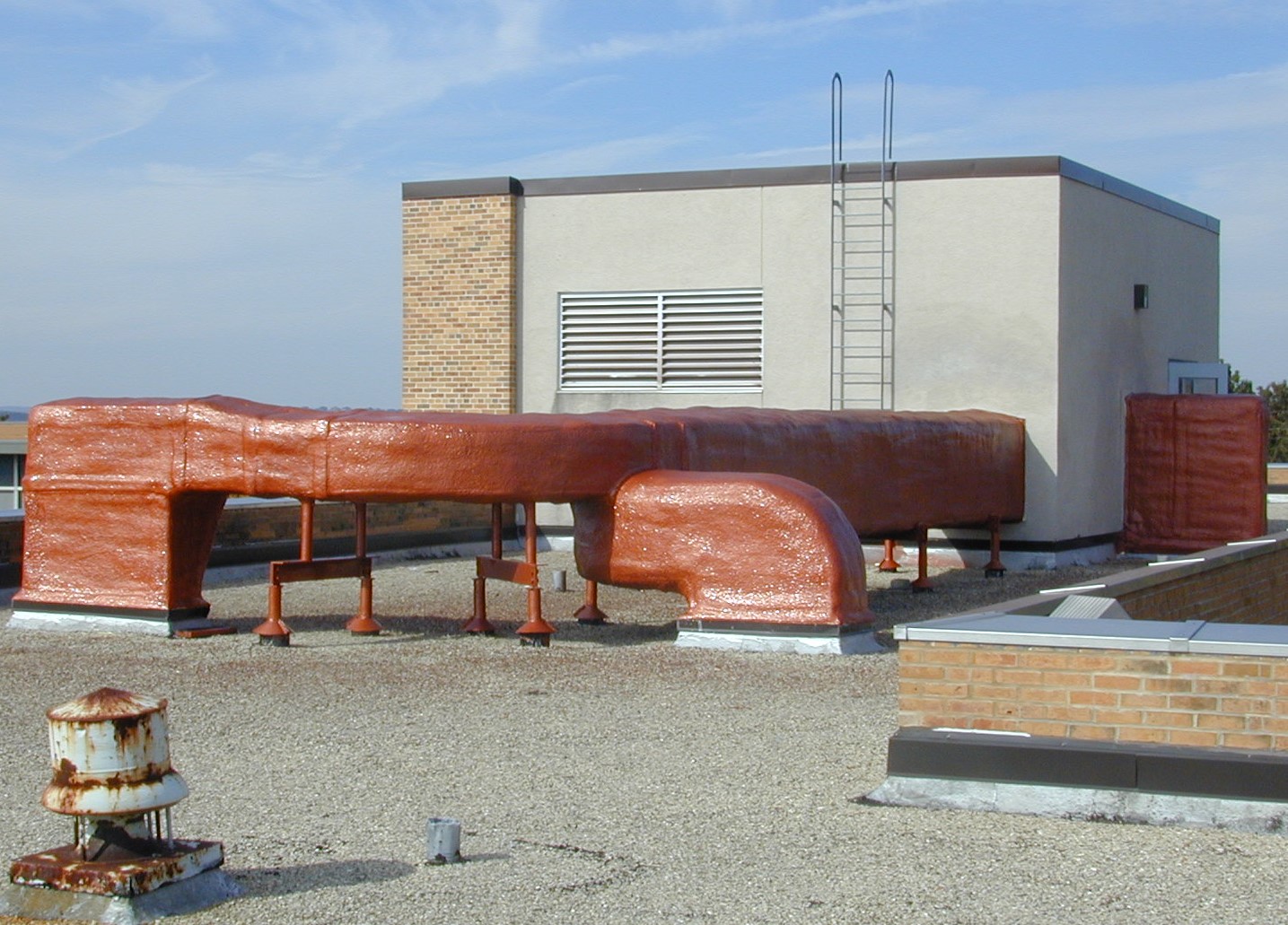
Foam roofing is the answer to a specific problem: a low-slope roof that ponds, leaks at every penetration, and would cost more to tear off and rebuild than the owner is willing to spend.
Roofing-grade foam is sprayed over the prepared existing deck, filling low spots and tapering to drains — correcting the drainage that caused the ponding in the first place — and creating a fully adhered, seamless, insulated substrate with no fasteners and no laps.
Then it gets coated, because foam alone is not a roof. OR-80SLM polyurea membrane goes over it as a seamless waterproofing layer that wraps every curb and penetration without a single joint.
Spec: prepare and dry the deck · roofing-grade foam at 1–1.5" nominal, tapered for positive drainage · OR-80SLM at 40–60 mil DFT, same day where conditions permit · 7001 Primer on adjacent metal, membrane, and masonry details.
Residential Walls, Rooflines & Crawl Spaces
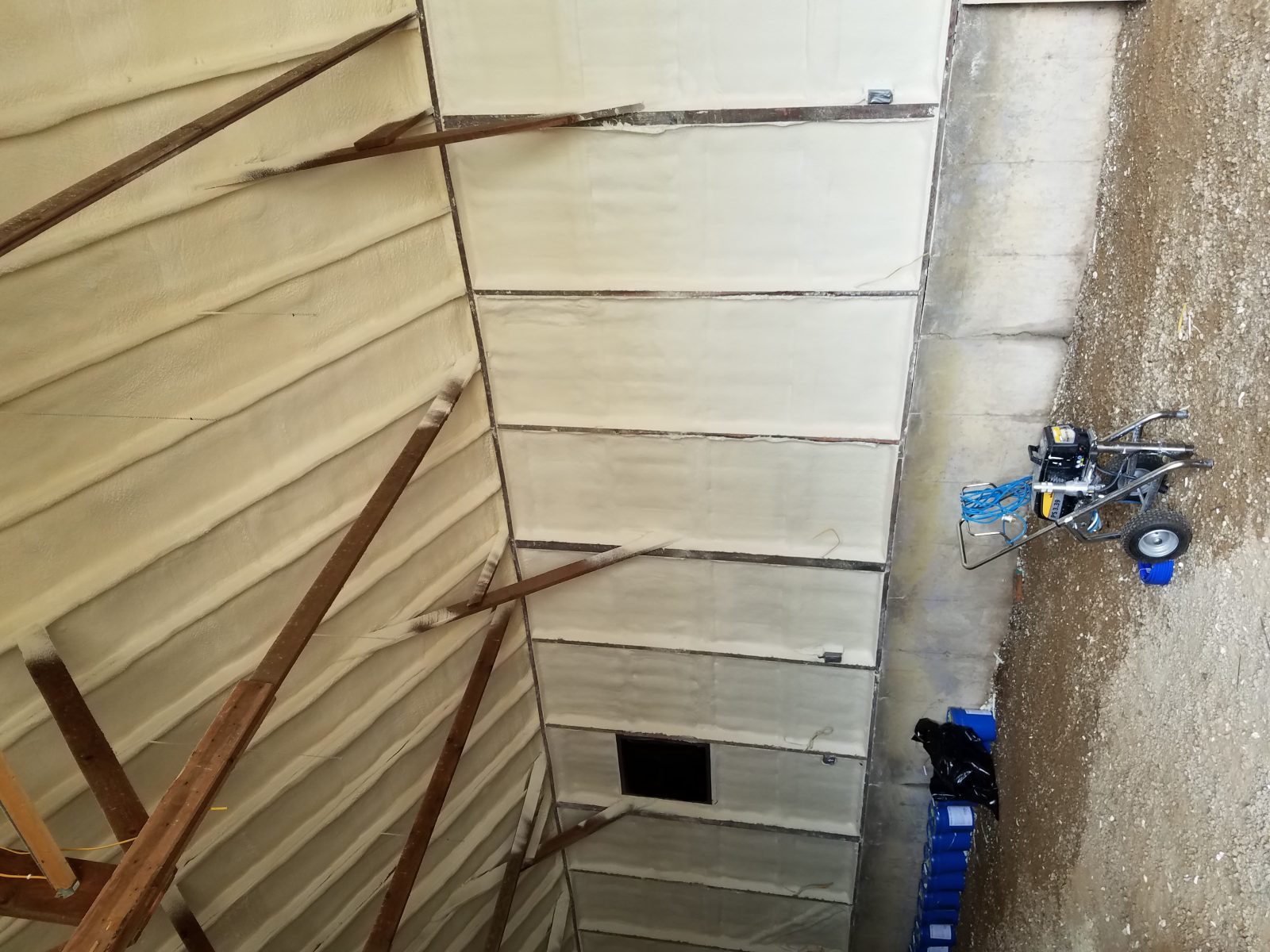
Residential work splits cleanly between the two grades. Open-cell is usually the right call for interior partitions where sound is the goal and for cavity fill where budget drives the decision. Closed-cell is the right call anywhere moisture is a factor.
Crawl spaces and rim joists are the highest-value residential foam job nobody asks for. A vented crawl space in a humid climate pumps moist air into the floor system continuously; sealing and insulating the perimeter with closed-cell converts it into semi-conditioned space and stops the moisture cycle.
Unvented rooflines are the other common assembly, and the one where climate zone and vapor strategy have to be thought through rather than assumed.
Spec: closed-cell at 2–3" on crawl space walls and rim joists; open-cell full cavity fill for interior sound walls; roofline assembly and grade selected per climate zone and code — ask us before you spray an unvented attic.
Also Commonly Foamed
- Cold storage and walk-in coolers — continuous insulation with no thermal bridging
- Tanks, vessels, and process piping — insulated and then coated for UV and mechanical protection
- Shops, garages, and outbuildings — the most common owner-requested job in rural markets
- Shipping container conversions — condensation control is the entire problem
- Grain bins and drying structures — moisture management and temperature stability
- Refrigerated trailers and truck bodies — repair and re-insulation
- Municipal and equipment storage buildings — condensation off vehicles brought in wet
- Void fill and flotation — closed-cell in docks, pontoons, and structural voids
Have a Building to Spec?
Building type, construction, climate zone, and what it is used for. We will pick the grade and the thickness and run the material quantity.
Get a Foam SpecRequest Foam Pricing & Data Sheets
Tell us about your project and we will follow up with product details, technical data sheets, and pricing.